INMID - 03
1 Day
€100 Per Person Cost
50 persons
Principal Investigator
Kamlesh Kumar
Co-Principal Investigator
Arvind Kumar Singh, Anurag Kumar
Email of Contact Person
kamlesh_kumar@bsip.res.in
Mobile No.
+91 9453436487
Starting date & Place
31st January; Depending on the day travel time will start from 8.00 /9:00/10:00 Am
End Date & Place
31st January, 6.00 Evening
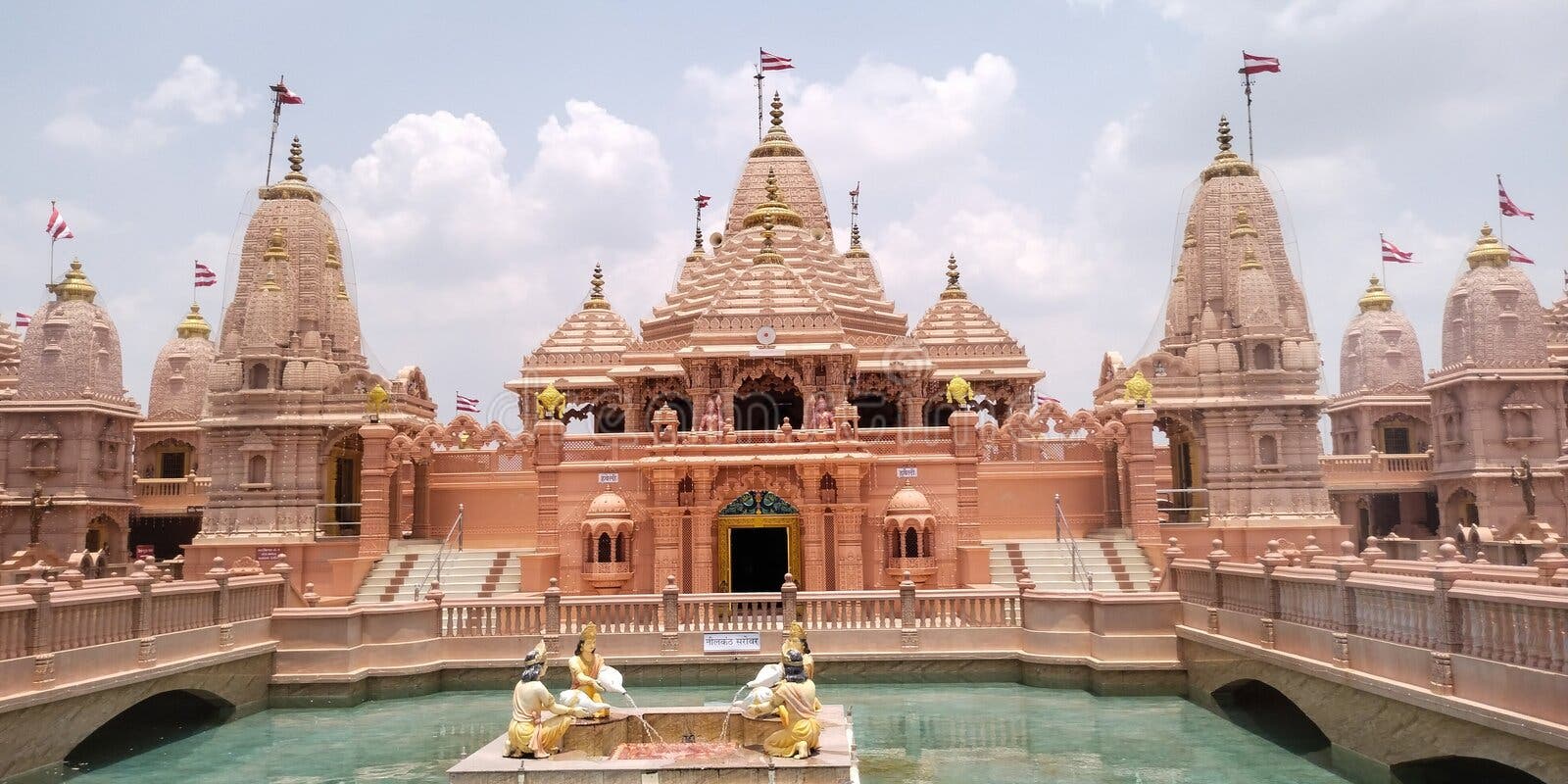
The Ram Mandir, also known as the Shri Ram Janmabhoomi Mandir, is a grand temple complex currently under construction in Ayodhya. Renowned as the birthplace of Lord Rama, it is one of the Sapta Puri—seven sacred pilgrimage sites in Hindu tradition. Hanuman Garhi also a prominent temple is dedicated to Lord Hanuman and is located in the heart of Ayodhya. The temple complex resembles a fort, with a flight of 76 steps leading to the main shrine, which houses an idol of Hanuman seated on his mother Anjani's lap. Kanak Bhawan, believed to have been gifted to Sita and Rama by Queen Kaikeyi, this temple is dedicated to the divine couple and is known for its intricate architecture and serene ambiance. Nageshwarnath Temple was established by Kush, the son of Lord Rama. It is dedicated to Lord Shiva and holds a significant place in Ayodhya's religious landscape. The Saryu River, also known as the Ghaghara, flows through Ayodhya, and its ghats (riverfront steps) are integral to the city's spiritual life. Devotees believe that bathing in the Saryu cleanses sins and purifies the soul.
Download Field Guide Book