INMID - 11
1 Day
€80 Per Person Cost
30 persons
Principal Investigator
Ansuya Bhandari
Email of Contact Person
ansuya12@bsip.res.in
Mobile No.
+91 9412052571
Starting date & Place
31st January; Depending on the day travel time will start from 8.00 /9:00/10:00 Am
End Date & Place
31st January, 6.00 Evening
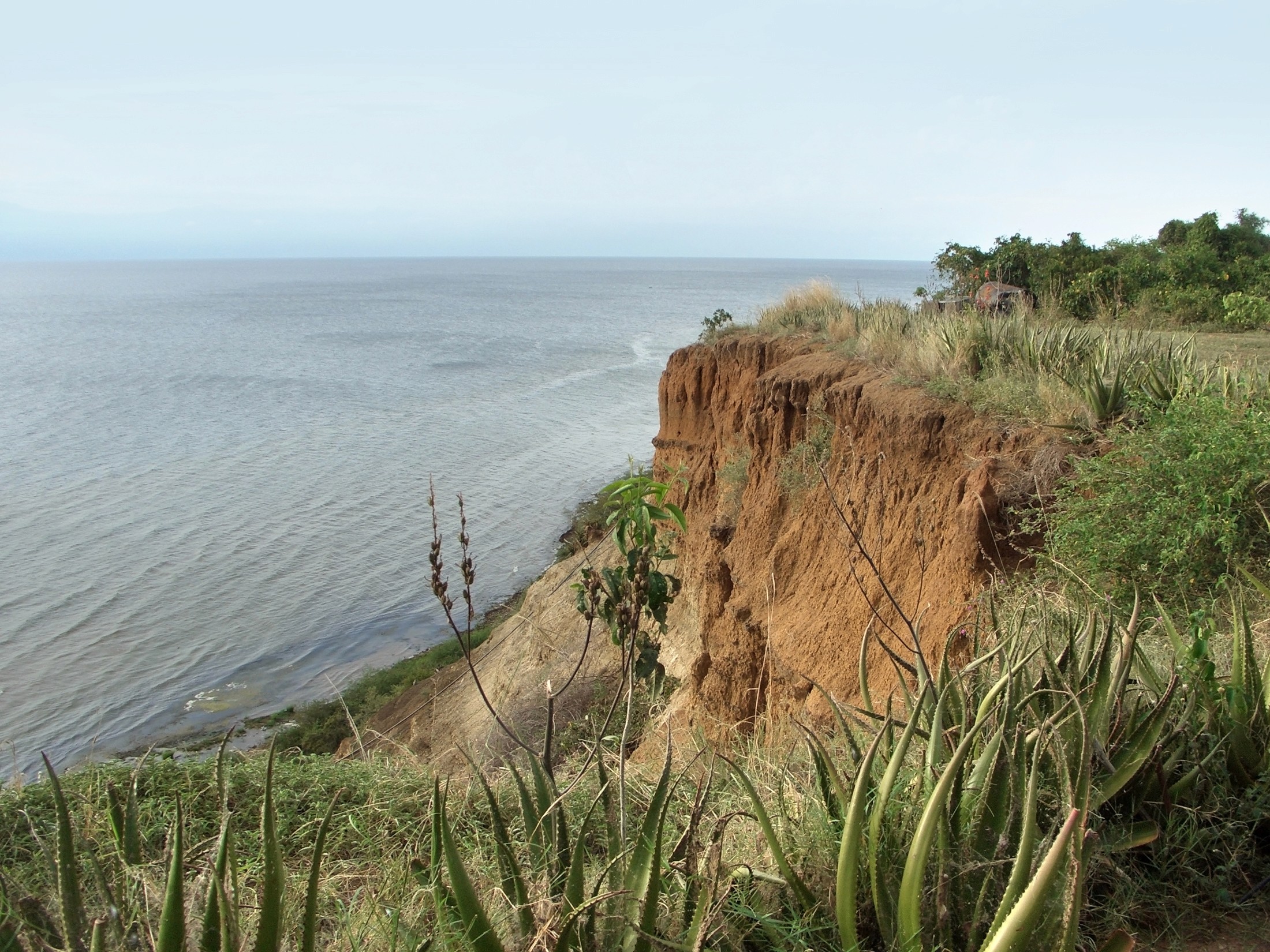
The cliff section at Kalpi along the Yamuna River is one of the thickest sections available in the region. Five lithostratigraphic units can be identified here. The basal exposed unit 1 is a floodplain unit comprising silty clay with dark mottles and scattered carbonate nodules and rhizoconcretions. A layer of pink feldspathic sand is present low in the unit. Unit 2 is a thin channel sand body made up of fine to medium sand with a gravel lag deposit at the base. The unit has abundant nodules and rhizoconcretions and is capped by a cemented sand layer. Unit 3 has been interpreted as a paleosol layer deposited in a swampy environment and consists of poorly stratified silty clay with sparse gastropod shells and rhizoconcretions. Unit 4 is ~23 m thick and consists predominantly of mud, representing prolonged floodplain accumulation with pedogenesis manifested as mottles and carbonate concretions. Dark layers within this unit and especially in its topmost part are interpreted as lacustrine deposits. Distinct gully cutting and filling events are inset locally in unit 4, and are designated as unit 5. The gully fills consist of steeply dipping silty sand and brown mud with lenses of carbonate gravel.